
Can Chiropractic Support Recovery After a Mild Stroke? What We Tell Clients in Our Missoula Office
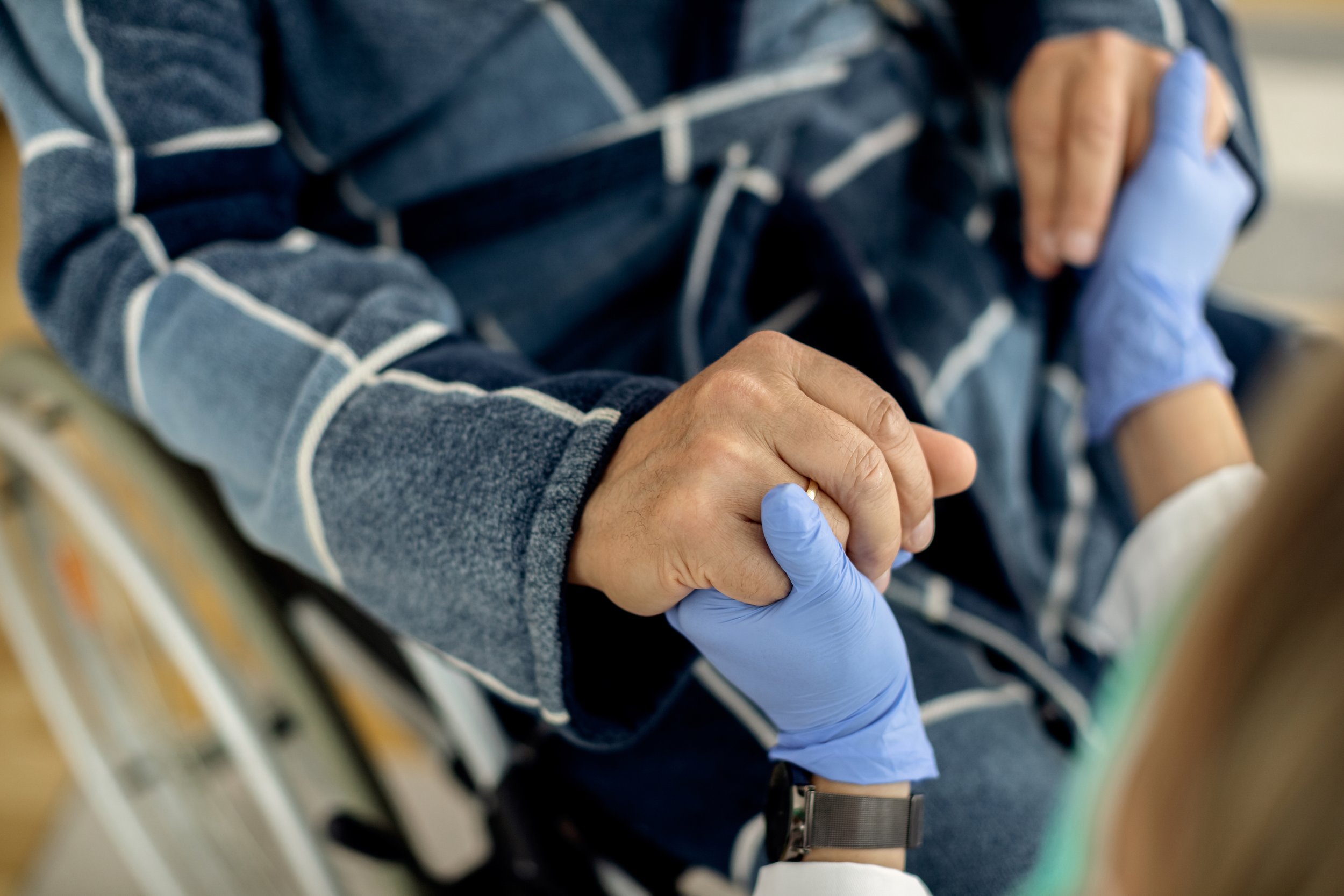
First, the Honest Answer You Deserve
A chiropractic adjustment does not cure a stroke.
It does not reverse brain tissue damage.
But here’s what we do see, every single week in practice:
When the nervous system is under stress, misfiring, or recovering from trauma, the right kind of care helps the body function more clearly — especially with:
balance
muscle coordination
postural control
tension patterns
sensory overload
mobility challenges
And when someone is healing after a mild stroke, that clarity matters.
What Post-Stroke Clients Actually Feel Day to Day
Most people don’t talk about this part.
Not the hospital stay.
Not the medical follow-ups.
But the part where you go home and realize:
One side of your body feels “off.”
Your muscles don’t fire the way they used to.
You get tired faster doing simple things.
Your balance feels unpredictable.
Your neck and shoulders tense up from overcompensating.
This is the world where neurologically based chiropractic care supports recovery — not by “fixing” the stroke, but by helping the nervous system communicate more effectively again.
A Real Story From Our Missoula Practice
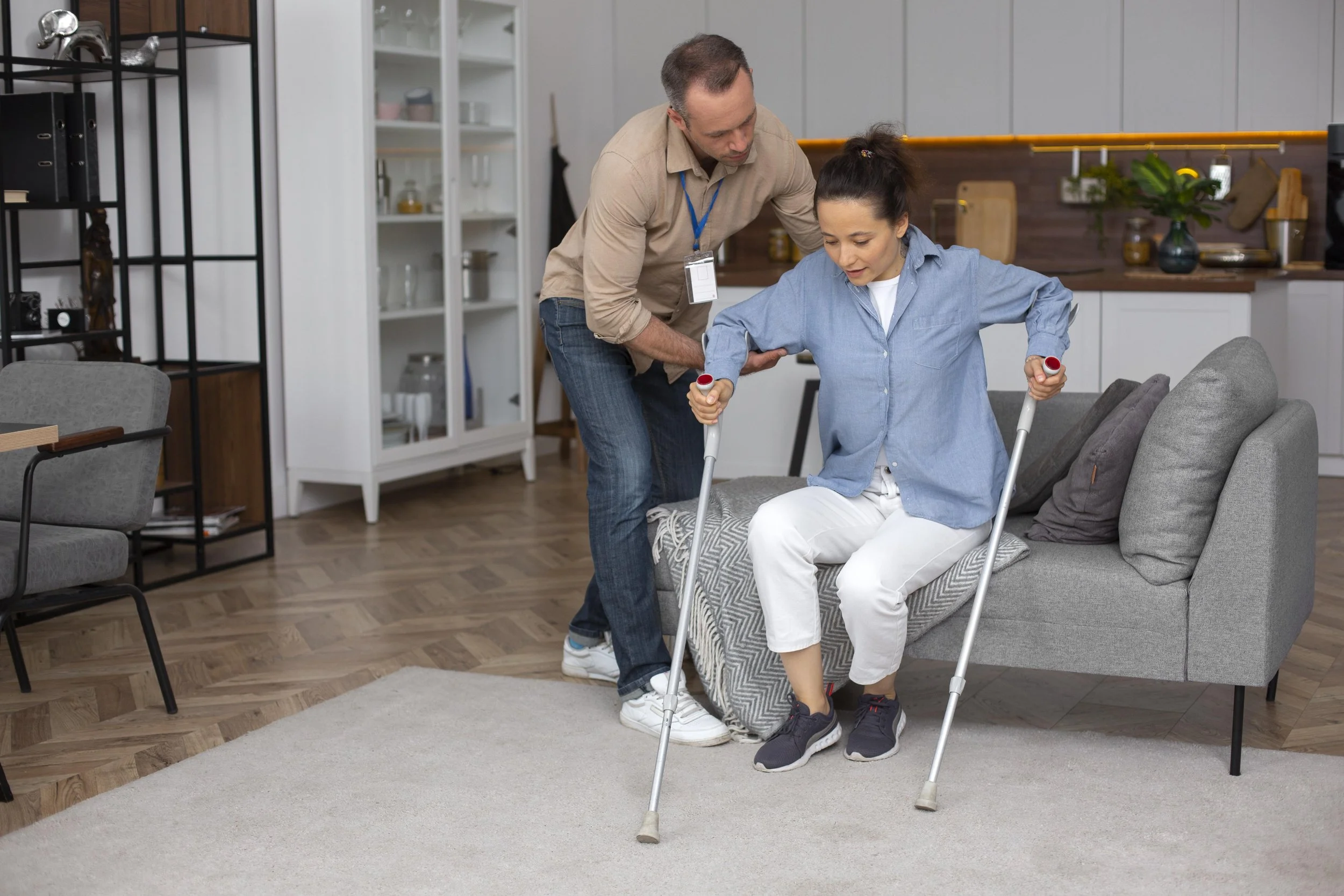
A middle-aged patient came in months after a mild stroke.
They felt stuck — walking unevenly, one shoulder always tight, and their balance was unpredictable.
After a series of gentle, precise, neuro-focused adjustments (no cracking, no twisting):
Muscle activation improved
Posture began to balance
Their gait smoothed out
Neck tension eased for the first time in months
Their medical team continued to handle the stroke itself.
We supported the nervous system and movement patterns — and their recovery accelerated.
Why Chiropractic Helps the Nervous System After a Mild Stroke
Here’s where people misunderstand chiropractic.
It’s not about “pushing bones back in place.”
It’s about improving the brain–body communication that stroke temporarily disrupts.
What we focus on with post-stroke clients:
Re-establishing clear neural pathways
Gentle adjustments help the nervous system fire in a more coordinated way.Correcting compensation patterns
The “stronger” side often overworks; the “weaker” side disconnects. Adjustments help balance this.Improving sensory input
Balance, coordination, and awareness all depend on the nervous system’s ability to read the environment.Reducing tension that limits movement
Overactive muscles calm down. Underactive muscles respond better.Supporting the body’s natural neuroplasticity
As the brain adapts post-injury, clear input accelerates learning and recovery.
This is not an alternative to medical care — it’s an enhancement to the rehab you’re already doing.
A Simple Metaphor We Use With Clients
Healing after a mild stroke is like trying to update a computer while the Wi-Fi signal is glitchy.
The update can still happen…
it just takes longer
and gets interrupted
because the signal isn’t clear.
Chiropractic doesn’t “do the update.”
It strengthens the signal
- so your rehab, movement training, and healing process work more effectively.
Who Is a Good Candidate for Care?
We work with people in Missoula who:
Have already been medically cleared
Are months (or years) post-stroke but still feel “imbalanced”
Struggle with muscle coordination or weakness
Have chronic neck/back tension from compensation
Feel disconnected from one side of the body
Want to support mobility, balance, and function naturally
Chiropractic is not appropriate during the acute stage of stroke.
But once a patient is stable, it can be a powerful part of their recovery plan.
Key Takeaways
Chiropractic does not cure stroke — it supports the nervous system as you recover
Gentle, neurologically informed adjustments help with balance, coordination, muscle activation, and tension
Many patients feel improvements in movement, posture, and clarity
It works best alongside medical and rehabilitative care
If You’re Navigating Life After a Mild Stroke, You’re Not Alone
Your body is capable of more recovery than you’ve been told.
Your nervous system is adaptable.
And with the right type of care, you can regain function, confidence, and ease in your daily movements.
If you’re ready to explore chiropractic as part of your healing journey, our Missoula team is here to walk you through every step — safely and clearly.
Book a nervous system assessment at Primal Practice Chiropractic.
🖤,
Dr. Liz
