
After Your Adjustment: Nervous System Shifts for Adults
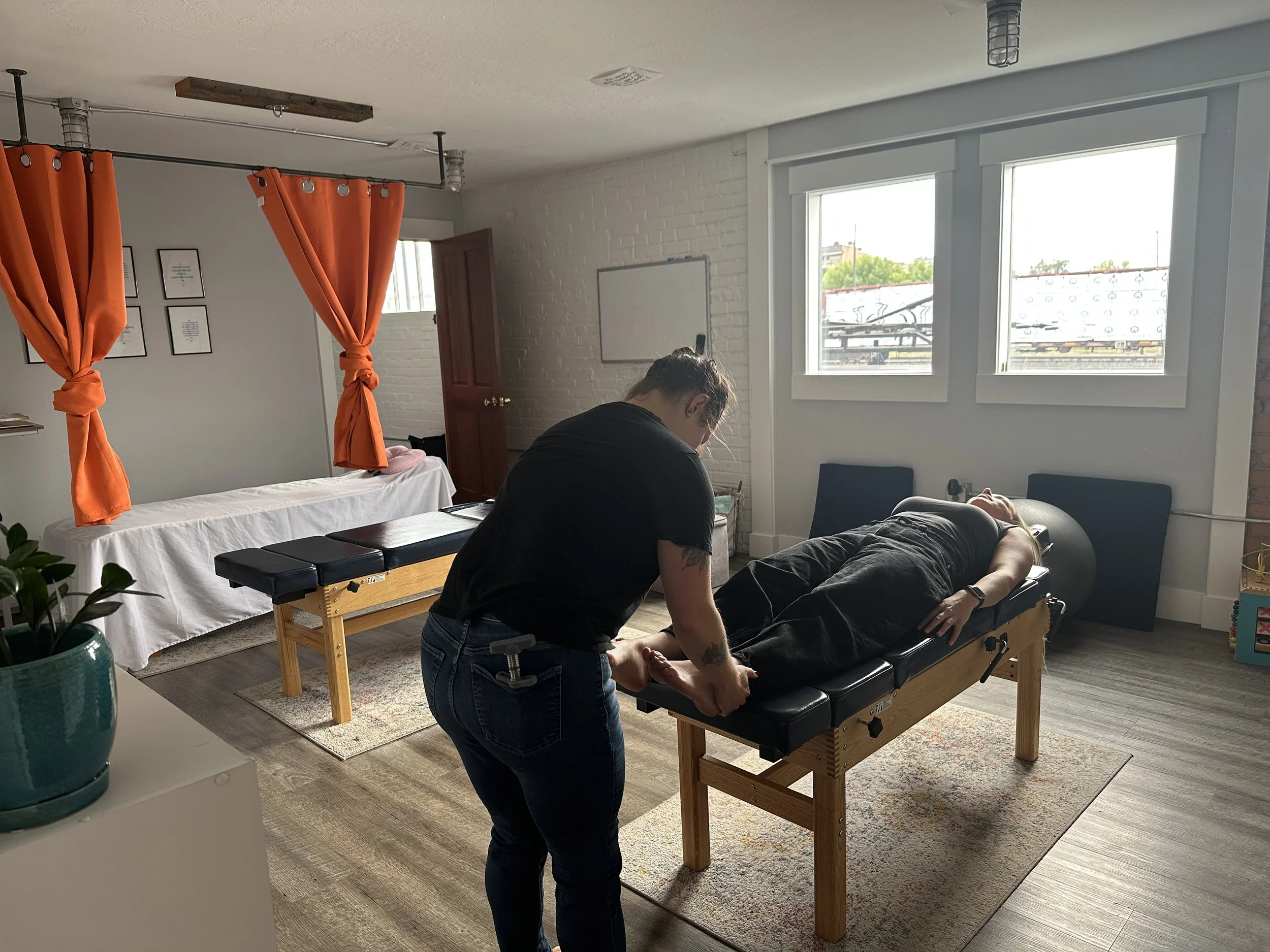
If you’ve ever left a chiropractic adjustment and thought,
“Okay… now what?”
you’re not alone.
Many people expect something dramatic—instant pain relief, a rush of energy, or a sudden sense that everything is “fixed.” But nervous system–focused chiropractic doesn’t usually work like that.
The real impact often shows up after you leave the office.
And it’s subtle.
But it’s meaningful.
Because an adjustment isn’t about forcing change—it’s about creating space for your body to function better on its own.
What an Adjustment Is Actually Doing
A chiropractic adjustment sends a clear signal to your nervous system.
Not to relax harder.
Not to perform better.
But to shift out of protection and into regulation.
When your nervous system has been living in stress mode—tight muscles, shallow breathing, mental fatigue, poor sleep—it doesn’t instantly unwind. It recalibrates.
That process continues well after you walk out the door.
A Real-Life Moment I Hear All the Time
“I didn’t feel much right away… but later that night, I slept deeper.”
“My shoulders dropped without me trying.”
“I realized I wasn’t clenching my jaw all afternoon.”
“I handled stress differently—and noticed it after.”
That’s the nervous system doing what it’s designed to do once interference is reduced.
Like turning down background noise you didn’t realize was there.
Common After-Effects Adults Notice
Everyone processes adjustments differently, but these are patterns I hear from Missoula patients regularly:
A sense of calm without feeling sedated
Improved sleep—falling asleep faster or staying asleep longer
Less tension in the neck, jaw, or shoulders
More ease with movement, posture, or breathing
Emotional steadiness or mental clarity
Feeling grounded instead of “revved up”
These changes aren’t random. When communication between the brain and body improves, regulation follows.
How Long Do After-Effects Last?
Immediate: Some people feel lighter, clearer, or more relaxed right away
Short-term: Over the next 24–72 hours, sleep, mood, and tension patterns often shift
Long-term: With consistent care, your nervous system becomes more adaptable—less reactive, more resilient
Think of it like strength training for regulation. One session matters. Consistency changes the baseline.

Supporting the After-Effects at Home
You don’t need to “do more” to make chiropractic work. But you can support the process by:
Choosing gentle movement over pushing through
Staying hydrated
Giving yourself permission to rest if your body asks
Minimizing overstimulation right after care
Paying attention to subtle shifts—not just pain levels
Progress often shows up as ease, not intensity.
Why This Matters More Than Symptom Relief
When your nervous system is supported, everything downstream works better:
Muscles release without forcing
Sleep becomes restorative
Stress feels manageable instead of overwhelming
Recovery improves
Your body feels safer—internally
This isn’t about chasing pain or “needing” constant adjustments.
It’s about restoring your body’s ability to regulate itself.
A Different Way Forward
At Primal Practice Chiropractic, I help Missoula adults reconnect with their bodies in a way that’s sustainable, grounded, and realistic for full lives.
Chiropractic care here isn’t about quick fixes.
It’s about creating the conditions for your nervous system to function well—so the after-effects ripple into your days, your sleep, your work, and your relationships.
Because a regulated nervous system changes everything.
👉 If you’re ready to experience chiropractic care that works with your body—not against it—book your visit at Primal Practice.
🖤,
Dr. Liz
